Get Mini Split Installation
Mini split installation services help property owners add or replace heating and cooling systems in spaces like homes, offices, or garages, handled by local contractors.
Mini split installation services are a practical solution for property owners looking to improve indoor comfort and energy efficiency. Whether upgrading an existing system or adding cooling and heating to a new space, many local property owners explore these options to achieve more flexible climate control. With a variety of models and configurations available, it’s important to compare local contractors who can help plan and execute the project effectively, ensuring the system fits the specific needs of the property.
For those considering a mini split system, understanding the available options and the installation process can make a significant difference in the long-term performance of the setup. Local service providers have the experience to assist property owners in evaluating their space, selecting appropriate units, and managing the installation process smoothly. Continuing to explore these services can help property owners make informed decisions that enhance comfort and efficiency.
- Mini Split Installation - when replacing outdated or inefficient cooling systems in residential or commercial spaces.
- Mini Split System Maintenance - to ensure optimal performance and longevity of existing mini split units.
- Mini Split Troubleshooting - when experiencing issues like uneven cooling, strange noises, or system failures.
- Mini Split Ductless System Upgrades - for upgrading to newer, more efficient models or adding zones to an existing setup.
- Mini Split Repair Services - in cases of refrigerant leaks, compressor problems, or electrical issues affecting operation.

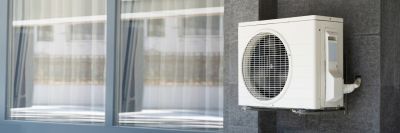
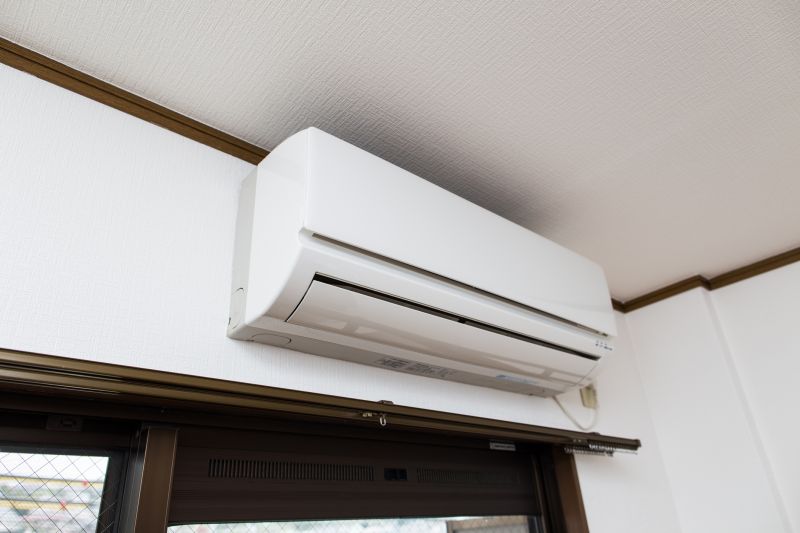
Mini split installation services involve setting up ductless heating and cooling systems that provide efficient climate control for various spaces. These systems consist of an outdoor compressor unit connected to one or more indoor air handlers, allowing for targeted temperature management without the need for extensive ductwork. Professional installers ensure the units are properly mounted, wired, and configured to operate smoothly, helping homeowners enjoy reliable comfort year-round.
This service is often sought to address specific heating or cooling issues within a property. Mini splits are a practical solution for rooms that are difficult to heat or cool with traditional systems, such as additions, converted garages, or spaces with limited space for ductwork. They can also help resolve uneven temperatures, improve energy efficiency, and provide zoned climate control, making them a versatile choice for many homes and small commercial properties.
Properties that typically use mini split systems include single-family homes, apartments, and small commercial buildings. They are especially popular in areas where installing or extending central HVAC systems is impractical or cost-prohibitive. Additionally, homes undergoing renovations or those seeking to upgrade older heating and cooling setups often benefit from the flexibility and efficiency offered by ductless mini split systems.
When considering mini split installation, homeowners should look for local contractors experienced in handling these systems. Proper installation ensures optimal performance and longevity, helping to prevent issues like poor airflow or refrigerant leaks. Service providers can assess the specific needs of a property, recommend suitable units, and handle the installation process efficiently, making it easier for homeowners to enjoy a comfortable indoor environment.
The overview below groups typical Mini Split Installation projects into broad ranges so you can see how smaller, mid-sized, and larger jobs often compare in your area.
In many markets, a large share of routine jobs stays in the lower and middle ranges, while only a smaller percentage of projects moves into the highest bands when the work is more complex or site conditions are harder than average.
Smaller Repairs - Minor repairs or adjustments to existing mini splits typically cost between $250 and $600. Many routine fixes fall within this range, though prices can vary based on the specific issue and system complexity.
Standard Installation - Installing a new mini split system in a standard home usually ranges from $1,500 to $3,500. Most projects in this category are straightforward and fall within the middle of this range, with fewer reaching the higher end.
Full System Replacement - Replacing an older or larger system can cost between $3,500 and $6,000. Larger or more complex projects may push costs higher, but many jobs stay within this typical range.
Complex or Custom Projects - Custom or multi-zone installations can exceed $6,000, especially when additional ductwork or advanced features are involved. These larger projects are less common but represent the upper tier of typical costs for local contractors.
Actual totals will depend on details like access to the work area, the scope of the project, and the materials selected, so use these as general starting points rather than exact figures.
HVAC Ductwork Installation - involves planning and installing duct systems, which requires similar skills in space planning and airflow management as mini split setups.
Ceiling Cassette Air Conditioner Installation - requires precise placement and electrical work, paralleling the installation process for mini split units in various spaces.
Split System HVAC Installation - encompasses the setup of multi-zone heating and cooling systems that share installation techniques with mini split units.
Wall-Mounted Air Conditioner Installation - involves mounting and wiring units on walls, sharing core skills with mini split wall-mounted systems.
Ductless HVAC System Replacement - includes removing old units and installing new ductless systems, similar to mini split installation in terms of planning and execution.
Indoor Air Quality System Setup - involves installing air purifiers and ventilation components, which often require similar electrical and placement considerations as mini split systems.
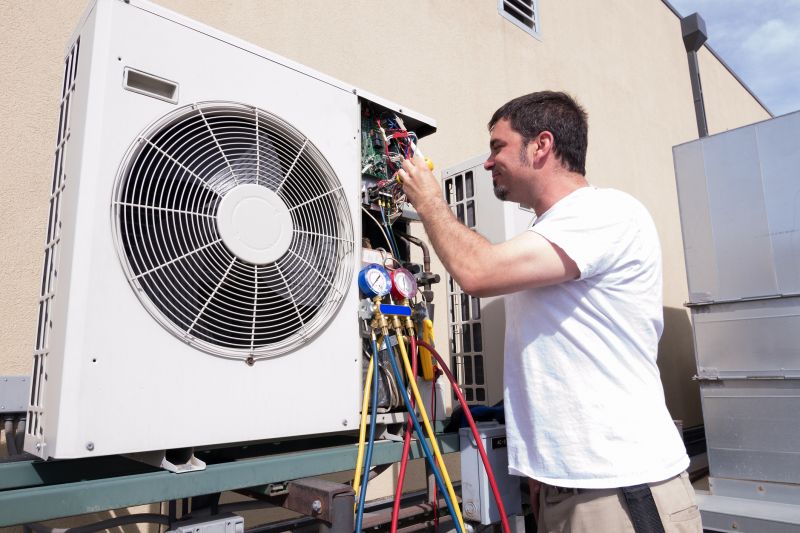
When comparing service providers for Mini Split installation, it’s important to consider their experience with similar projects. Homeowners should look for local contractors who have a proven track record of successfully completing mini split systems in homes comparable to their own. This background can provide insight into their familiarity with the specific requirements and challenges of the job, helping to ensure that the installation will be handled efficiently and correctly.
Clear, written expectations are essential when choosing a contractor. Homeowners should seek out providers who can offer detailed descriptions of the scope of work, the materials involved, and the steps they will take during installation. Having this information in writing helps prevent misunderstandings and ensures that everyone is aligned on the project’s goals, making it easier to evaluate whether a particular service provider is well-suited for the job.
Reputable references and good communication are key factors to consider. Local contractors who can provide references from previous clients demonstrate transparency and confidence in their work. Additionally, effective communication throughout the process-whether through prompt responses, clarity in explanations, or willingness to address questions-can make the experience smoother and more predictable. It’s worth noting that the site introduces homeowners to local options for mini split installation services; it does not perform the work itself but helps connect people with qualified service providers in their area.
Property owners use Mini Split Installation services for practical projects around their homes and businesses. This guide focuses on everyday jobs and straightforward project options.
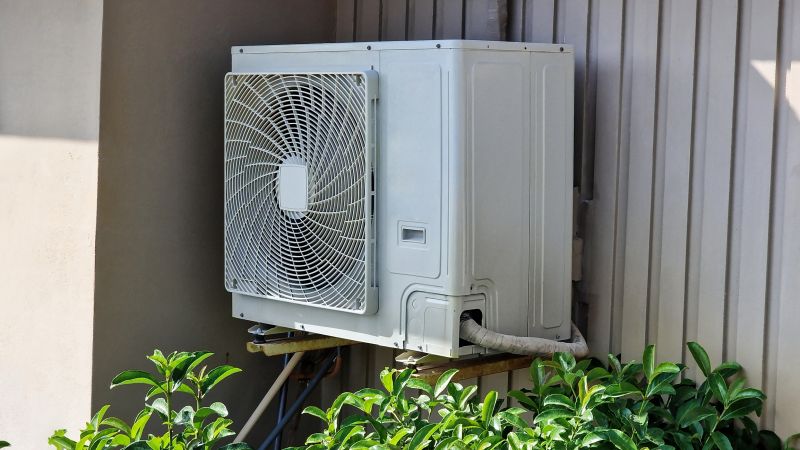
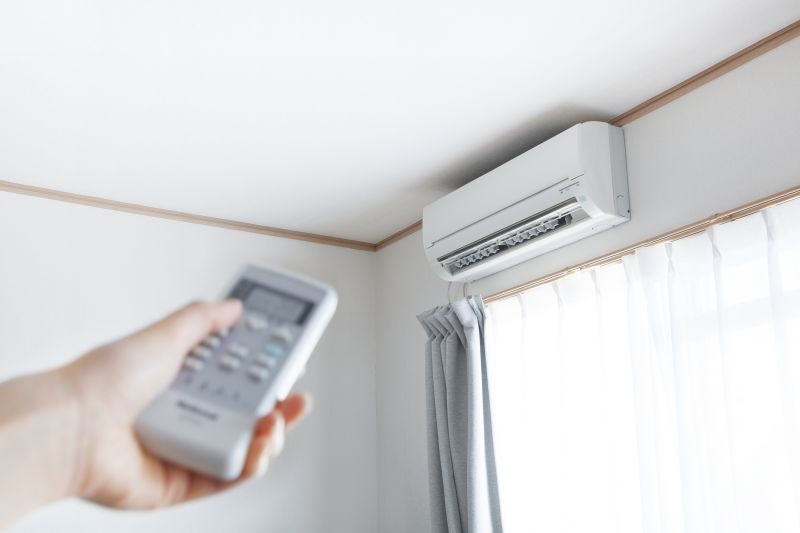
Mini split installation services are often sought by property owners looking to improve indoor comfort in specific areas of their homes or businesses. Whether replacing an outdated system or adding climate control to a new space, local contractors can handle these projects efficiently. They are equipped to install units in various settings, including garages, home additions, or converted rooms, providing targeted cooling and heating solutions without the need for extensive ductwork.
Many property owners consider mini split systems when seeking flexible and energy-efficient climate control options. Local service providers can assist with installing these systems in both residential and commercial properties, helping clients achieve improved temperature management. These projects are common for those upgrading existing HVAC setups or customizing comfort in individual rooms or zones within their property.
What is a mini split system? A mini split system is a ductless heating and cooling unit that provides climate control for individual rooms or zones within a building.
How do local contractors install mini split systems? Local service providers handle the installation process by mounting indoor units, connecting them to outdoor condensers, and ensuring proper operation and airflow.
Are mini split systems suitable for all types of buildings? Mini split systems are versatile and can be installed in a variety of settings, including homes, offices, and additions where ductwork is not available or practical.
What should be considered before installing a mini split? Factors such as the size of the space, insulation levels, and existing electrical systems should be evaluated by local contractors to ensure proper system selection and installation.
Can mini split systems be integrated with existing HVAC systems? Yes, some local service providers can assist with integrating mini splits alongside existing heating and cooling solutions for a seamless climate control setup.
Improve Indoor Comfort - Property owners can enhance comfort in specific rooms or zones by installing mini splits where traditional HVAC systems are less effective.
Upgrade Existing Cooling Systems - Homeowners looking to replace outdated or inefficient air conditioning units can consider mini split installations for better energy efficiency.
Add Cooling to New Spaces - Builders and renovators can incorporate mini splits into new additions or converted spaces to provide flexible climate control options.
Reduce Energy Consumption - Property owners interested in lowering utility bills may explore mini split systems as an energy-efficient alternative to conventional cooling solutions.
If you are thinking about Mini Split Installation for a property, this guide is meant to help you understand the work, the typical project types, and how different options might fit your plans.
When you are ready, you can use the quote form on this page to share a few details about your project. From there, local pros can review the basics and respond with options that match what you have in mind.