Roof Ventilator Repair in Provo, UT
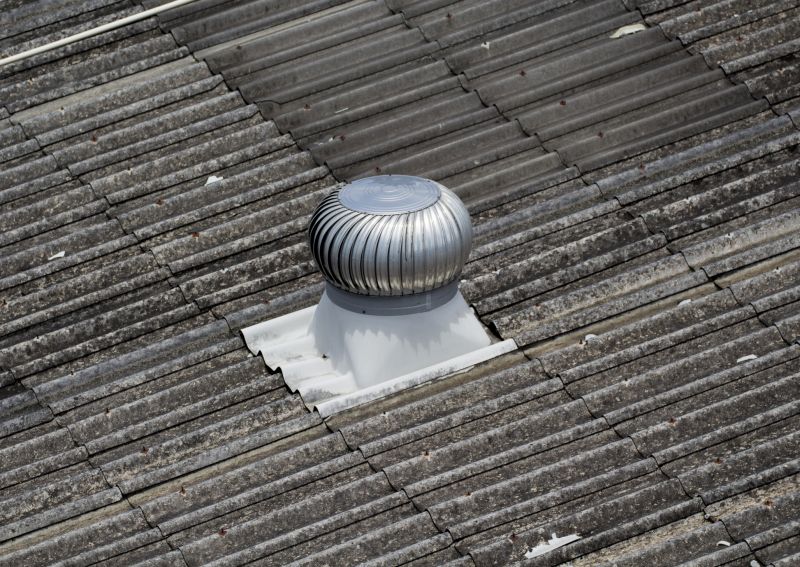
Roof ventilator repair services focus on maintaining and restoring the functionality of roof-mounted ventilation systems that help regulate airflow and temperature within a property. These repairs typically address issues such as damaged or malfunctioning vents, leaks around the vent area, or problems caused by age and weather exposure. Projects may include replacing broken components, sealing leaks, or adjusting vents to ensure proper operation, which can improve indoor comfort and protect the roof’s integrity.
Homeowners often seek roof ventilator repairs when experiencing signs like excessive attic heat, increased energy bills, or unusual noises from the roof area. Before requesting service, property owners should consider the type of ventilation system installed, any visible damage or leaks, and the age of the current vents. Understanding these details can help determine the scope of repairs needed and ensure the ventilation system continues to function effectively, supporting proper attic ventilation and overall home health.
Many property owners in Provo, UT look into Roof Ventilator Repair for repairs, replacements, upgrades, and appearance-related improvements.
Common Ventilator Issues
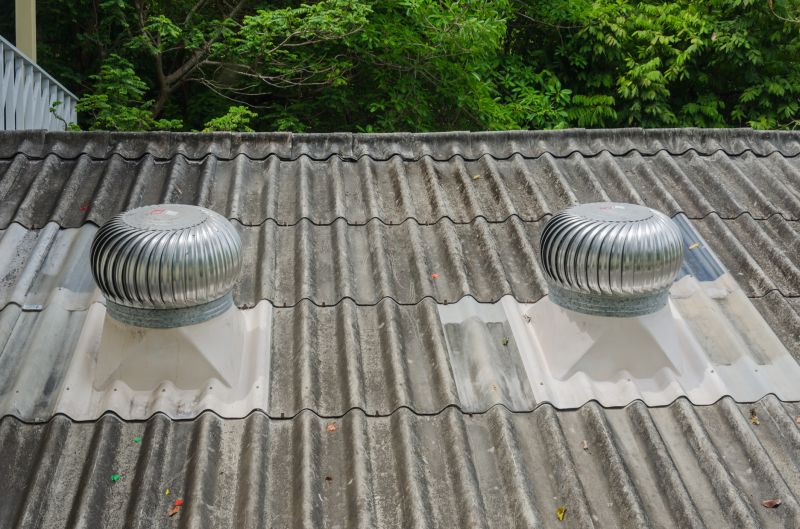
Problems like noise, leaks, or mechanical failures can affect roof ventilators in provo homes.
Signs You Need Repairs
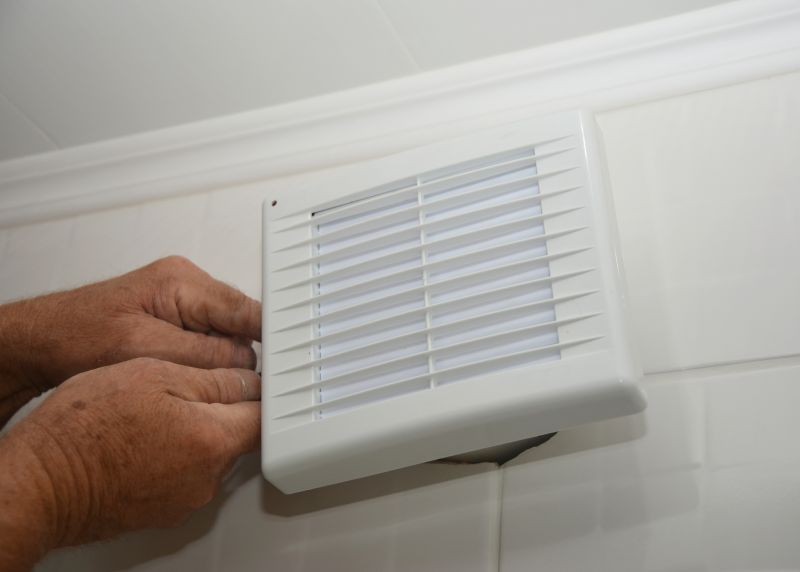
Excessive humidity, musty odors, or uneven attic temperatures may indicate ventilation problems.
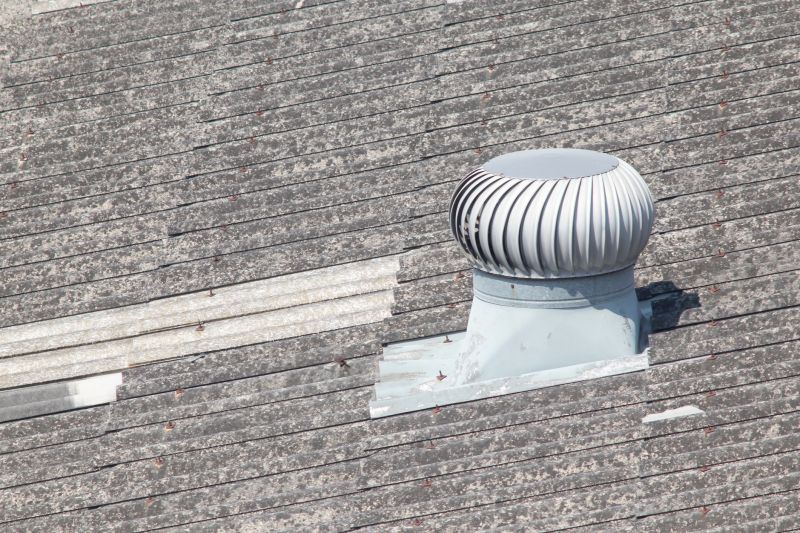
Maintenance And Upgrades
Regular inspections and timely repairs help ensure roof ventilators operate efficiently and last longer.
Roof Ventilator Repair in Provo, UT
Roof ventilator repair services focus on maintaining and restoring the functionality of roof-mounted ventilation systems that help regulate airflow and temperature within a property. These repairs typically address issues such as damaged or malfunctioning vents, leaks around the vent area, or problems caused by age and weather exposure. Projects may include replacing broken components, sealing leaks, or adjusting vents to ensure proper operation, which can improve indoor comfort and protect the roof’s integrity.
Homeowners often seek roof ventilator repairs when experiencing signs like excessive attic heat, increased energy bills, or unusual noises from the roof area. Before requesting service, property owners should consider the type of ventilation system installed, any visible damage or leaks, and the age of the current vents. Understanding these details can help determine the scope of repairs needed and ensure the ventilation system continues to function effectively, supporting proper attic ventilation and overall home health.
Many property owners in Provo, UT look into Roof Ventilator Repair for repairs, replacements, upgrades, and appearance-related improvements.
Common Roof Ventilator Repair Jobs
Roof Ventilator Repair - Restores proper airflow and ventilation in the attic space.
Roof Ventilator Replacement - Replaces damaged or outdated vents to improve energy efficiency.
Leak Detection and Repair - Fixes leaks caused by faulty or broken roof vents.
Fan Motor Repair - Restores function to roof ventilator fans that have stopped working.
Vents Cleaning and Maintenance - Ensures vents are free of debris and operate smoothly.
Storm Damage Repair - Restores roof vents damaged by severe weather events.
Roof Ventilator Repair Questions
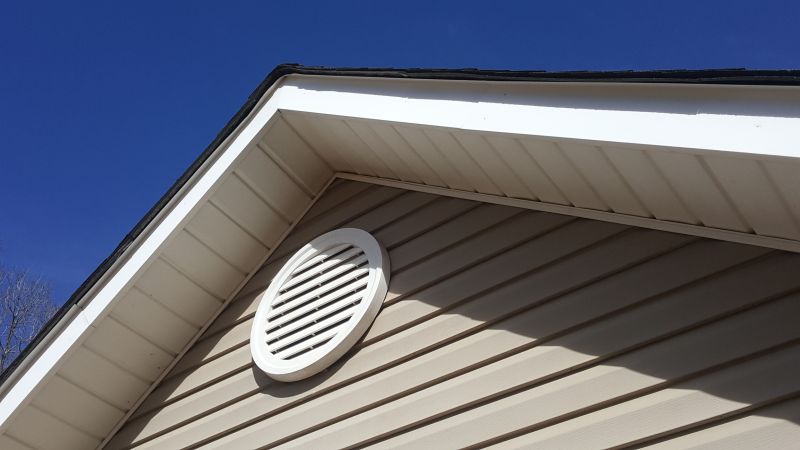
What are common signs of roof ventilator problems? Signs include unusual noises, increased energy bills, and poor airflow in the attic area.
Why is proper ventilation important for a roof? Proper ventilation helps prevent moisture buildup, reduces heat accumulation, and extends the roof’s lifespan.
What types of roof ventilators might need repair? Exhaust vents, intake vents, and ridge vents can all require repairs if they become damaged or blocked.
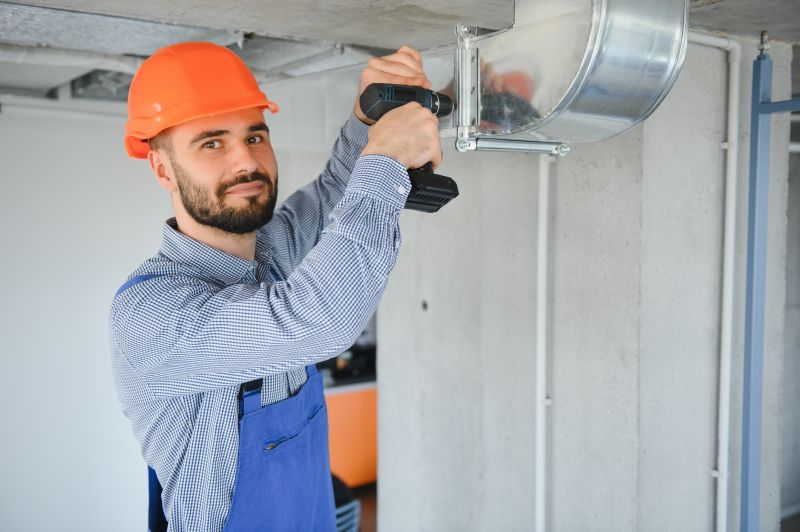
How can damaged roof ventilators be repaired? Repairs typically involve replacing broken components, clearing obstructions, or sealing leaks to restore proper function.
Request Roof Ventilator Repair in Provo, UT
Use the quote form on this page to share the basics of your project and request more information for the type of work you need.